Showing posts with label Carbon Management Plan. Show all posts

Friday, 16 September 2011

Carbon Management Plan Update

On Monday the Carbon Management Board met for the first time since the Carbon Management Plan was adopted by the University. The board were meeting to monitor the progress of the implementation of the plan, which sets out how the University is going to reduce carbon emissions by 30% by 2016 and 40% by 2020 from our 2009/10 baseline.
The Carbon Management Plan
The meeting was chaired by Deputy Vice Chancellor Professor Neil Garrod and attended by representatives from Facilities Management, Estates, Finance, Information Library Services, School of Science and Carbon Culture.

Nigel Heugh from the building services team gave the group an update on how the various projects were progressing and the changes in costs and improved estimations in carbon savings. For instance projects including the implementation of variable speed drives and voltage optimisation units had been brought forward to this year because the estimated carbon savings are so good.

Some of the biggest challenges that lie in the carbon management plan are with projects yet to be decided - for instance in making savings in IT and influencing the way staff and students use the campus to be more efficient. With the challenge of influencing behaviour change we have been working with Carbon Culture on developing a strategy to make carbon savings more appealing and interesting to campus users.

Carbon Culture’s most high profile work has been with the Department for Energy and Climate Change (DECC) and the work they have done on displaying the department’s energy use. Their energy usage is displayed in real time on their website allowing you to see the peaks and troughs in usage and see how many kWh are being used, the cost of that energy and the carbon emissions too. http://www.carbonculture.net/orgs/decc/whitehall-place/ We will be working with Carbon Culture to deliver a similar service whereby we will be able to break down the data per building or school – so if you wanted to know how much energy the School of Science is using you would be able to see that on the website.

Screenshot from DECC website displaying the energy usage
Another very exciting project that was discussed is surrounding the fuel that the proposed combined heat and power plant (CHP) at Medway will run on. Traditionally these plants are run on finite resources like natural gas or oil, however Pat Harvey the Head of Bioenergy Research at the University is working on an alternative using glycerine instead. The glycerine which can be supplied by Aquafuel http://www.aquafuelresearch.com/ results as a bi-product of bio fuel production but can also be produced by salt water algae. The other exciting factor of using glycerine is that it is a clean product – so safe in nature you could eat it before putting it in the CHP and a major glycerine spill in the ocean would have consequences that would be insignificant comparatively to an oil spill.

A handful of algae
On the subject of clean energy the University is switching from a standard electricity tariff to a 100% renewable tariff with our electricity suppliers for over 90% of the University’s electricity supply. As well as this the University is planning on installing photovoltaic solar panels on the rooves of the student accommodation at Avery Hill this coming autumn. This very exciting news demonstrates how the University is determined to make the switch to cleaner and more sustainable energy use and is determined to be a sector leader in sustainability.

Wednesday, 12 January 2011

2010 The Year in Sustainability

2010 has been a big year for sustainability at the University of Greenwich, and looking back at what we have achieved I believe we can be proud of how we have taken the University forward.

The successes of the Sustainability Team were reflected in the People & Planet Green League which was released in April when the University of Greenwich jumped from 103rd (2009) up to 61st. Sustainability issues are moving further up the agenda within the higher education sector so it will be difficult to achieve such a large jump this year, although we are of course committed to keep improving and constantly reviewing the University’s approach to sustainability.

January 2010 saw the University of Greenwich present and approve its Sustainability Policy, which can be seen here (www.gre.ac.uk/sustainability/sustainability) and is signed off by the University’s Vice Chancellor Tessa Blackstone. The policy draws together the findings of a baseline review that was conducted to establish the University’s environmental aspects and impacts and develops a policy to deal with these. The policy was drawn together as part of the environmental management system that the University has signed up for (EcoCampus). In the summer of 2010 the University was awarded the Bronze award by EcoCampus and we hope we are just a couple of months away from achieving Silver now.

EcoCampus Bronze Award

With carbon and energy reduction becoming a key priority through the Carbon Reduction Commitment being introduced into UK law and the Higher Education Funding Council for England (HEFCE) introducing requirements linked to carbon reduction as part of their Capital Investment Framework (CIF2), the University has taken some significant steps towards addressing these issues. HEFCE require that each institution should have a carbon management plan submitted by March 2011 and have set a sector wide target of 43% reduction in emissions by 2020 (against a 2005/06 baseline), so many of the cogs whirring away in the Sustainability Team are working towards achieving that target.

On waste the University has seen new bins being introduced at the Greenwich Campus which are divided in two for main two waste streams that the University creates. However the recycling rate at the University varies widely from very good in some areas achieving nearly 70% recycling and the not so good where some areas are achieving no better than 30% recycling. In 2011 waste and recycling will rise up the agenda and as a result we will expect the amount of waste generated to go down along with the amount sent to landfill and the percentage of waste recycled to go up. The University ran a very successful re-use campaign at the end of the summer term in 2010 diverting would-be waste from Avery Hill halls of residences to the benefit of charities through CRISP. Internally the emergence of reusing everything and anything through the University’s own unofficial freecycle of the ‘all-staff-announce’ emails has been a great success – in fact the Sustainability team office is kitted out with many an item first offered on the internal email.

New Bins at Greenwich Campus

Food has been another area of achievement for the University, following on from 2009’s award for discontinuing the use of bottled water in hospitality. The University was awarded the Good Egg award at the Good Food on the Public Plate Awards and were celebrated for five areas of achievement, including the use of organic milk, free range eggs and MSC certified fish. On top of these achievements 2010 saw the first meeting of the Fairtrade Steering Group which includes the Students Union (SUUG), the Medway Student Association (UMSA), ABM (the main University caterers) and Sodexo (who also provide some catering on campus) who are all intent on achieving Fairtrade Status for the University.


Biodiversity has appeared on the agenda for the University in 2010 with the creation of the Biodiversity Steering Group and draft Biodiversity Action Plans have been drawn up for each of the University’s sites. 900m2 has been identified on the Avery Hill Campus for an agricultural grade pollen and nectar bee mix to be planted, which will be great news for the two hives of bees that now occupy the gardens at Southwood House. Greenwich Campus has also seen five hives introduced in 2010 into the mausoleum area, right next to where Sir Thomas Hardy (Nelson’s right hand man) is buried, and all these bees will busy pollinating come the springtime. Good news for anyone who wants to use the fruits of the campus for, blackberry and apple pie, quince jelly or sloe gin (on that note I would have to say 2010 sloe harvest produced a delicious couple of bottles!)

The Sustainability Team has experienced a lot of growth this year, even without the pollination of the bees on hand! Of course there is the very important addition to the team in the shape of the Green Gnome (yours truly) who has been prolific in his blog writing and on twitter, oh and John too, who joined the Sustainability Team in April, and has now signed up for a further 12 months with the Sustainability Team. Along with the direct additions to the team we have now swelled in influence thanks to the creation of the Sustainability Champions Network. There is now a sustainability champion in almost every department helping to promote the University’s Sustainability Policy and to promote environmentally friendly and sustainable practice within their department. To help them do this the Green Impact project has been rolled out for the first time in the University and our sustainability champions are busy implementing tasks such as setting all printers in their department to print double sided, promoting the University’s green travel initiatives and implementing shutdown plans to ensure energy is not wasted over holidays and weekends.
John

Green Gnome

The sustainability champions are proving to be a key communication channel to the wider University community, and that is not the only step towards better communication we have seen. The sustainability website is soon to launch following on from the emergence of the sustainability twitter feed and of course this blog. The Sustainability Induction was introduced for new starters (and existing interested staff) and also for the new student Residential Assistants. Interserve the University’s new suppliers for portering and cleaning had to include their sustainability credentials when tendering for the cleaning contract and this is something that all our suppliers will be expected to do in the future.
New Green Cleaning products

John and Kat became more involved with LUEG, the London Universities Environmental Group, both taking up places on the group’s executive board, and hosted the LUEG AGM at Greenwich in the summer time.

Travel wise John and Kat continue to cycle to work on a daily basis and were both in the top five riders from the University that took part in the TFL London Cycle Challenge in June, Neil Garrod, Tom Barnes and Adele brooks were the other three. Overall the University clocked up more than 10,500 miles, saving around three tonnes of CO2 and burning the equivalent of over 1,500 Mars bars in calories. The University has also been successful in receiving funding from Walking Works to promote walking to, from and while at work and Simon Baldwin from Accommodation walked away with 24 mince pies as a result of winning the walking to work mince pie challenge.

Before this turns into a dissertation I shall sign off with the knowledge that I haven’t even started to tell you about the 100 or so projects identified to go into the Carbon Management Plan, the voltage optimisation units that have been installed, the Greenwich graduate attributes or about many of the other Sustainability success stories that have emerged from the University of Greenwich Sustainability Team over the course of 2010. Here’s to 2010 and to a look towards 2011 hoping that we will be even more successful over the next 12 months. Happy New Year!

Monday, 6 December 2010

Green Cleaning Up at the Sustainable Food Awards

Guess what? It’s been very busy with the Sustainability Team again recently with a whole load of different goings on.

Firstly we are going to do a little self congratulating. Last week Kat was at the Good Food on the Public Plate Awards and picked up not one, not two, not three, not four, but FIVE awards for our efforts on sustainable food! Through ABM (the main caterers at the University) we have been awarded for ensuring:

- Only Marine Stewardship Council fish is purchased
- Only free range eggs are used
- Only organic milk is used
- Red tractor meat is purchased as a minimum
- Fairtrade and organic coffee is offered at all sites

The Good Food on the Public Plate Awards celebrate best practice of the public sector organisations who recognise their responsibility to spend money on food produced in a way that achieves environmental, social and economic benefits for London and further afield. Through the achievements we have been awarded for the University is ‘helping to sustain a market for farm assured products and birds kept in humane conditions, guarantee a fair price for farmers overseas and reduce greenhouse gas emissions.’ The University has a strong Sustainable food policy in the pipeline and continues to promote sustainable and Fairtrade delicacies across campus.

Kat enjoying the glamour and glitz of being in the Sustainability Team at Greenwich
Last week has also seen the introduction of 100% recycled toilet roll in the University. Recently we retendered our cleaning contract and wrote sustainability credentials into the process for tendering and into the contract itself. Along with the toilet roll we have seen ‘Green Planet Solutions’ cleaning products introduced, new energy efficient cleaning machinery and we are also about to start experimenting with the Eco-cube waterless urinal system.

A monumental effort on Kat’s behalf this week led to the draft version of the Carbon Management Plan being submitted to Anna and Mark from the Carbon Trust and we now start the process of getting the plan ready to go to the University Court in the new year. The plan aims to set out a succinct and detailed strategy for the University to cut its carbon emissions over the next five years and set out targets for the next ten years, once this whole process is complete we will post up a link so that you can have a peruse of it.

This week we also see the launch of Walking Works at the University with John from the Sustainability Team and Alison from Greenwich Campus FM offering a scenic walk through Greenwich Park on Wednesday for all those interested (meet 12:30 outside Dreadnought Library). Iain Metters is organising two walks at Avery Hill Campus on Tuesday and Thursday (from David Fussey at 12:15) and all of this is thanks to a great initiative by Living Streets to get more people to consider walking as a viable means of transport and as a good, accessible and very cheap way of exercising. You can also sign up to the Mice Pie Challenge and work out how many mince pies you are burning off with your walking efforts.


In other news we are still interviewing for the Fairtrade internship, looking forward to the LUEG Christmas lunch tomorrow and getting ourselves prepared for the Fairtrade and biodiversity meetings coming up later on in the week.

Thursday, 7 October 2010

The Sustainability Train at full steam.

It has been a little while since I last posted here on the Green Greenwich Blog, largely due to the non-stop nature of everything going on here! It barely feels like we have had a moment to catch a breath here at the University and it looks like it is going to be that way for foreseeable future.

Where's Kat hiding?

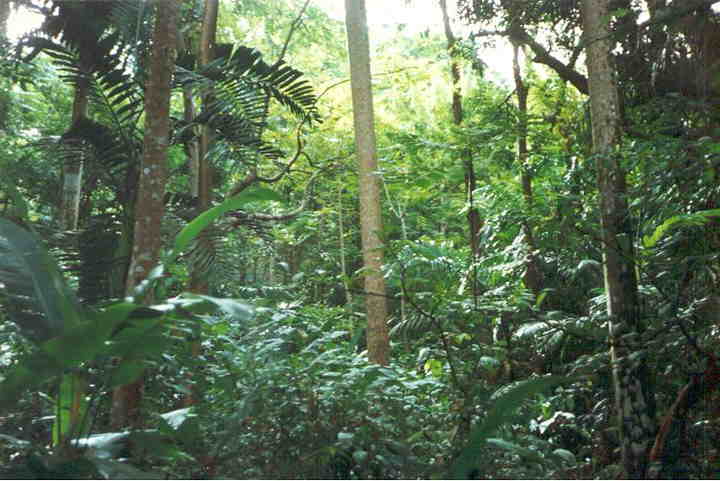
The Sustainability Team is somewhat reduced at the moment with our Captain Kat Thorne exploring the rainforests in far and distant lands but John and the Gnome have been hard at work in her absence. Most notably on the Higher Education Carbon Management Plan where we have joined forces with the Head of Estates and the Building Services Manager to keep the University chugging along in getting the plan ready for early next year. Expect to see numerous projects appearing spread across all the departments of the University all with measures in place for cutting our carbon emissions and working towards the targets set out by HEFCE (Higher Education Funding Council for England) and the Climate Change Act 2008.

Last week Sustainability and Marketing were knocking their heads together to work towards an exciting campaign to promote everything ‘sustainability’ at the University with conversation moving from the website, to fridge magnets, to computer games, staff and student engagement and potential competitions for our students to get involved with. Speaking of students getting involved we have found a space on the brand new shiny Biodiversity Group for one lucky student who lives at Avery Hill to assist with the direction we want to take our biodiversity projects. I’m hoping that this is going to lead to new era of environmental understanding and diversity on the Campus here at Avery Hill and there already seems to be interest for restoring the dingle, reinvigorating the part of the River Shuttle that runs through the campus, creating a wildflower meadow, building an allotment and planting fruiting trees.

On the subject of fruit I am delighted to announce that I have been reaping the benefits of being based here at Avery Hill and have spent at least two lunchtimes wandering around picking the delights the campus has to offer. On the menu last Thursday was a dish I have never tried cooking before – Quince Crumble. It’s delicious but a very different ingredient to any that I have used before. The quince has an incredibly sharp taste which you must compliment with buckets of sugar and cooking for long lengths of time, once this is done however you have an unforgettable flavour which reminds me of the taste of the Toxic Waste sweets! Not a great name for a sweet but they are delicious if you like that sort of thing.


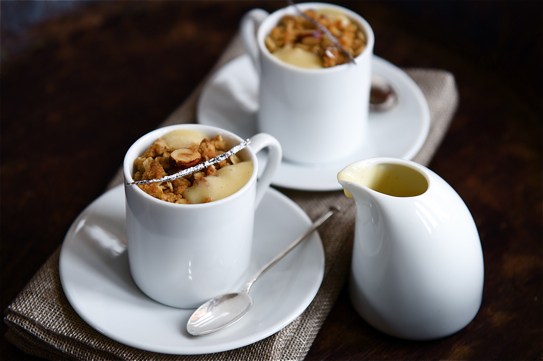
Quince Crumble (Mine wasn't quite as beautiful!)

If you want to give the Quince Crumble a try here’s the recipe I followed. The next quince dish I will try will be Quince Membrillo, which the Spanish like to eat with cheese.

Tonight I will be attempting something a little bit different with another fruit I have found on the Avery Hill Campus. Tonight is Sloe Gin Night! I have picked roughly 50 sloe berries which have been placed in the freezer (Sloes you traditionally pick after the first frost but I am inpatient so I’m creating a fake frost by putting them in the freezer) they will be removed this evening, will go through the torment of being meticulously pricked with a needle and then placed into a big bottle of cheap gin. No need to go for an expensive gin here, the sloes will overpower the flavour anyway. Add a little sugar and then place in a dark cupboard until Christmas. Christmas Day, get the gin out and serve to all your friends and family. Boxing Day, stay in bed!

Sloes, Sugar and Gin - A recipe for success!

In other news I have been working hard on the preparations for the launch of our Sustainability Champions Network which is looking like it will be on the 9th of November. To go hand in hand with this we will also be launching our Green Impact workbook so our Champions will have a great project to get going with right from the onset. Next week we have the first meeting of the aforementioned Biodiversity Group, a visit from Joanna Romanowicz from the NUS, LUEG meetings, the GET Opportunities Recruitment Fair and a whole load of other goings on. Looks like it’s full steam ahead for little while longer then.