Wednesday, 24 August 2011

Cooking with Alyssa

Today Alyssa Terrel takes over the blog. Alyssa is helping us with our EcoCampus Environmental Management System and rather than an introductory blog post explaining who she is and what she'll be doing Alyssa is delighting us with a lesson in cooking....

In my first week John asked me to make a green pledge... Although we only have a small balcony at home, I pledged to fill it with herbs and leaves of all edible sorts and to buy all the fruit & veg we couldn’t grow ourselves at our local Farmers Market at Bermondsey Square.

Besides supporting UK farmers, it also ensures that we are eating local and seasonable foods with bonus carbon points. The problem has been finding myself enamoured by the beauties of the season, which don’t put in public appearances at supermarkets (like gooseberries and red currants), getting them home and not knowing what to do with them!

Alyssa's haul from the farmer's market including the red currants
A couple of weeks back the bright red currant caught my eye. Once getting my new found treasure home, I tried one... yuck! It was like the wicked witch that had polished and positioned these little beauties right in front of me had forgotten to mask the poison! An experienced mind and a big lump of sugar was definitely in order, so I had a look on the net and found this recipe on allrecipes.co.uk which worked a treat... Red Currant Tart


The recipe is easy to follow and the result is definitely worth the effort, my colleagues will attest (they say mmmmmmm). For those like me that aren’t too accustomed to being in the kitchen here are some top tips:
• Before you start, make sure you have one of these funky springform tins - it saves on those moments when shaking a tin upside down ends in disaster. Remember to suss out your borrowing or second-hand options before buying one new, the baking fad may be short-lived!


• Once you have made the pastry, ensuring you don’t handle it too much, rest it in the fridge for at least 30 mins
• Get going on the tart filling while the base is baking, putting aside a small bunch of red currants to garnish the top once it is out of the oven.
• This recipe is brilliant because it makes use of the entire egg and doesn’t leave you with extra yolks or whites. My free-range farmers market eggs made the meringue top fluffier than the recipe pictures, if I do say so myself! I am not one to invoke violence, especially on eggs, but you need to beat them like you mean it including prior to and whilst adding the sugar and cornflower, and for at least 5 mins after. The best way to do this is good ol’ arm power, no electric beaters in this household!
• My tart topping took a tad longer than 10 mins to cook but just leave it in there until the peaks are slightly browned and the top is firm and slightly crumbly to touch.
• Finally, enjoy! I served mine with natural yogurt which cut through the tarty sweetness.

Served with a big dollop of yogurt
I enjoyed my seasonal berry adventure so much that I have made another green pledge which is to share with you my successes (and failures) in a Meat-free Monday recipe special on the blog.

For this week, I tried out a recipe from Hugh Fernley-Whittingstall which appeared in the Guardian. Using beans, dill and walnuts from the Market and fresh mint from our herb garden it was a delicious summer salad with a bit of cheesy goodness. French beans with feta, walnuts and mint salad

Summer salad inspired by Hugh!

Thursday, 18 August 2011

Sustainable Procurement Takeover: Steps to Sustainable Procurement

Sustainable procurement is taking over the blog this week! As the new university year is beginning, we should all be considering the long term impacts of the things we are buying, to ensure that our university continues to flourish in the future.


The impact of procurement is not limited to our usage but to the full life cycle of the product, from raw materials and manufacture to disposal:

 
There are lots of ways we can purchase more sustainably to reduce these impacts. Here are seven simple steps to more sustainable procurement, both at work and at home:

1. Do we really need this?! Value for money is impossible to achieve if we don’t really need an item in the first place so think twice before ordering to ensure money is well spent and waste is minimised

2. Reduce usage. Considerate usage saves money and resources. Paper is the key example here: staff and students can make the most of our new multifunctional printing equipment (networked photocopiers and printers all rolled into one!) to reduce the amount of paper and energy we use through printing and copying

3. Can we reuse or refurbish? Most furniture suppliers will take back old furniture and refurbish it for us to the design we specify – this saves us significant amounts of money and prevents all that lovely material from heading straight to the tip

4. Can we acquire this item elsewhere? We can use the university’s Announce emails for advertising redundant equipment – if you know you are likely to need items in the future then keep an eye out on these emails! This saves money and reduces waste and resources. Items can also be procured from other organisations: http://xchange.procureweb.ac.uk/ features lots of equipment and furniture for resale online


5. Collaborate with colleagues. Sharing equipment is a sustainability win, simultaneously reducing spend and environmental footprint. Collaboration on deliveries is another good idea – placing orders at the same time can minimise the deliveries to site

6. Think sustainable labels. Think recycled, Fairtrade, EU Ecolabel, FSC, Energy Star - the list goes on! Don’t let the labels daunt you as they can assist us all in buying more planet friendly options - a good guide is produced by Defra (Department for Environment, Food and Rural Affairs), available here. Product and contract specific information for staff will also be supplied by Procurement & Business Services in the near future.


7. Badger your supplier! If you’re not sure what to buy then ask them! They want the university’s business so we’re in a brilliant position to influence the market. We’ve had progress from many suppliers already and several will be showcasing their products and services at the Sustainable Procurement Exhibition in October. Staff can sign up to attend here.

Wednesday, 3 August 2011

A Summer of Re-Use at the University

The summer has arrived at the University of Greenwich, the students have gone home for a few months and many of the offices, labs and classrooms are being re-furbished and updated. Once again the students at Avery Hill used the re-use project (run in conjunction with CRISP) to donate their unwanted items to charity and this year the project was rolled out to Macmillan Halls to give students in Greenwich the opportunity to donate their unwanted items too.

The CRISP Re-use project worked with over 70 different halls of residence this year, including the two from the University of Greenwich and had a reach as far as 19,943 students from 11 different universities. In total CRISP managed to save 30 tonnes from going to waste with nearly 85% of that being re-used. The overall estimated CO2 (e) reduction achieved by the project as a whole was 342 tonnes of which 21.1 was saved from the University of Greenwich.

The students donated a wide variety of different items including clothes, bedding, electronics, televisions, books, kitchenware and food. Everything from armchairs to an old Brooks leather saddle ended up in the back of the van when CRISP arrived to collect the items and all of these re-usable objects were transported to the CRISP warehouse to be sorted and re-distributed.

A selection of items donated at Avery Hill
Once the items have been sorted they’re sent out to a variety of different charities including, Ace of Clubs, Emmaus, Manna Centre, St Mungo’s, Streetlytes, the Marylebone Project and the Upper Room who all help for the homeless and vulnerable in London. As well as this charities working to support communities, children, animals, hospitals, right through to projects establishing sustainable projects in some of the world’s poorest countries are supported by the project including Bright Sparks, Clothes Aid, Guy’s & St Thomas’ Hospital, OFFERS/Ex-IT and TRAID.

Outside of the halls of residence many of the University’s facilities are being upgraded and prepared for the new influx of students in September and often this means a re-organisation and sometimes the removal of furniture. Rather than send our unwanted furniture to disposal we have been looking to a variety of different organisations to re-use what we have been unable to re-home within the University. This summer we have re-homed over 50 desks from the Drill Hall Library – 40 of them going to Bexley Grammar (one of the University’s feeder schools), the further 10 desks from the Drill Hall, 70 chairs from Greenwich labs and a small selection of office furniture from the School of Business ended up going to an organisation called TRUP (The Re-Use Partnership) who refurbish and re-distribute the furniture to local charities, organisations and start-up businesses.

Bexley Grammar students Celebrate Receiving the desks - (OK they're actually celebrating their exam results but they are pretty pleased with the desks too!)

Friday, 22 July 2011

TFL Cycle Challenge 2011

You may have noticed the 2011 Tour de France underway over the last few weeks but here at Greenwich there’s been a big old collective cycle taking part in the form of the TFL Cycle Challenge. The challenge is now over and the University of Greenwich team has clocked up an impressive 8,454 miles! This is the equivalent of burning 422,700 calories or 1,409 cupcakes and an estimated carbon dioxide saving of 4.227 tonnes.


There were some outstanding individual efforts but all 40 members of staff who logged their miles can be proud to have made a significant contribution to the total score and amassing an average of 211 miles per person! In the 11-50 members category the University of Greenwich finished in 11th position out of 152 teams. Barclays took the top prize in the category with a rather impressive 15,278 miles, quite a feat but I'm sure they will feel the force of the University of Greenwich breathing down their neck next year.

The top ten riders in the University of Greenwich team were:

1st Yellow Jersey (General Classification) Winner: Matt Prichard from CMS - 672 miles
2nd Green Jersey (Sprint Points) Winner: Tom Barnes Deputy Vice Chancellor - 604 miles
3rd Polka-dot Jersey (Queen of the Mountains) winner: Kat Thorne from Sustainability - 573 miles
4th White Jersey (Best young rider!) winner: Neil Garrod Deputy Vice Chancellor - 512 miles
5th: John Bailey from Sustainability - 503 miles
6th: Simon Charlesworth from Accommodation -477 miles
7th: Simon Walker from the EDU - 384 miles
8th: Adele Brooks from FM – 347 miles
9th: Justine Cooper from Architecture & Construction – 337 miles
10th: Gesche Heubner from Architecture & Construction – 309 miles

Every time I see an adult on a bicycle, I no longer despair for the future of the human race. - H. G. Wells

Wednesday, 20 July 2011

Guest Blog for the Guardian

Today the University of Greenwich Sustainability Champions ended up on the Guardian Higher Education Network. In a blog post written by the University's Sustainable Projects Officer, John Bailey writes about some of the fantastic tasks completed by the champions and the impact they have had in influencing change at the University.

You can see the article on the Guardian website here: http://www.guardian.co.uk/higher-education-network/blog/2011/jul/20/sustainability-champions-network-university

The Higher Education Network has all sorts of brialliant bits and pieces from the sector so make sure you sign up to follow their news and events.

Friday, 15 July 2011

Wildflower Meadows at Avery Hill

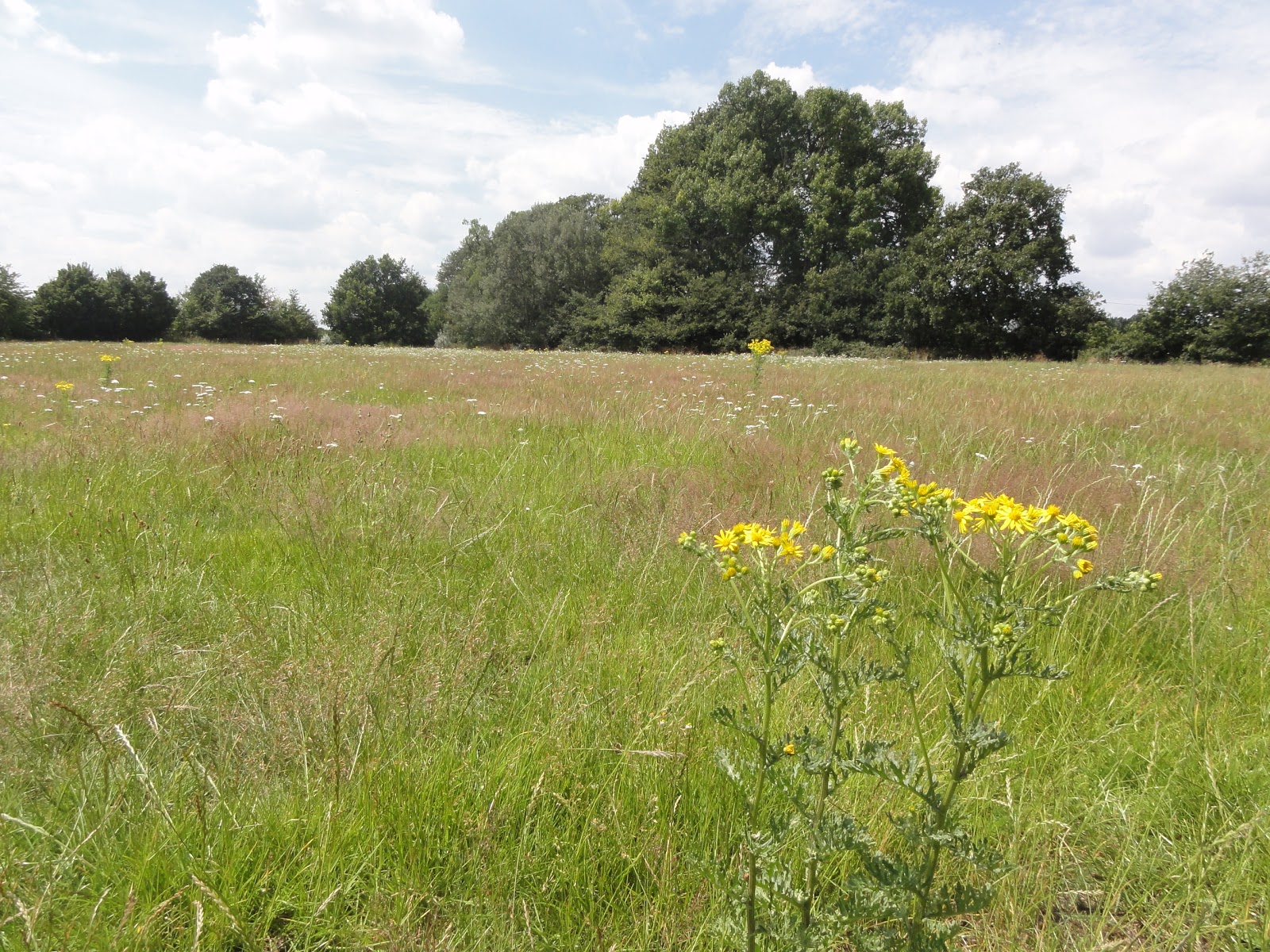
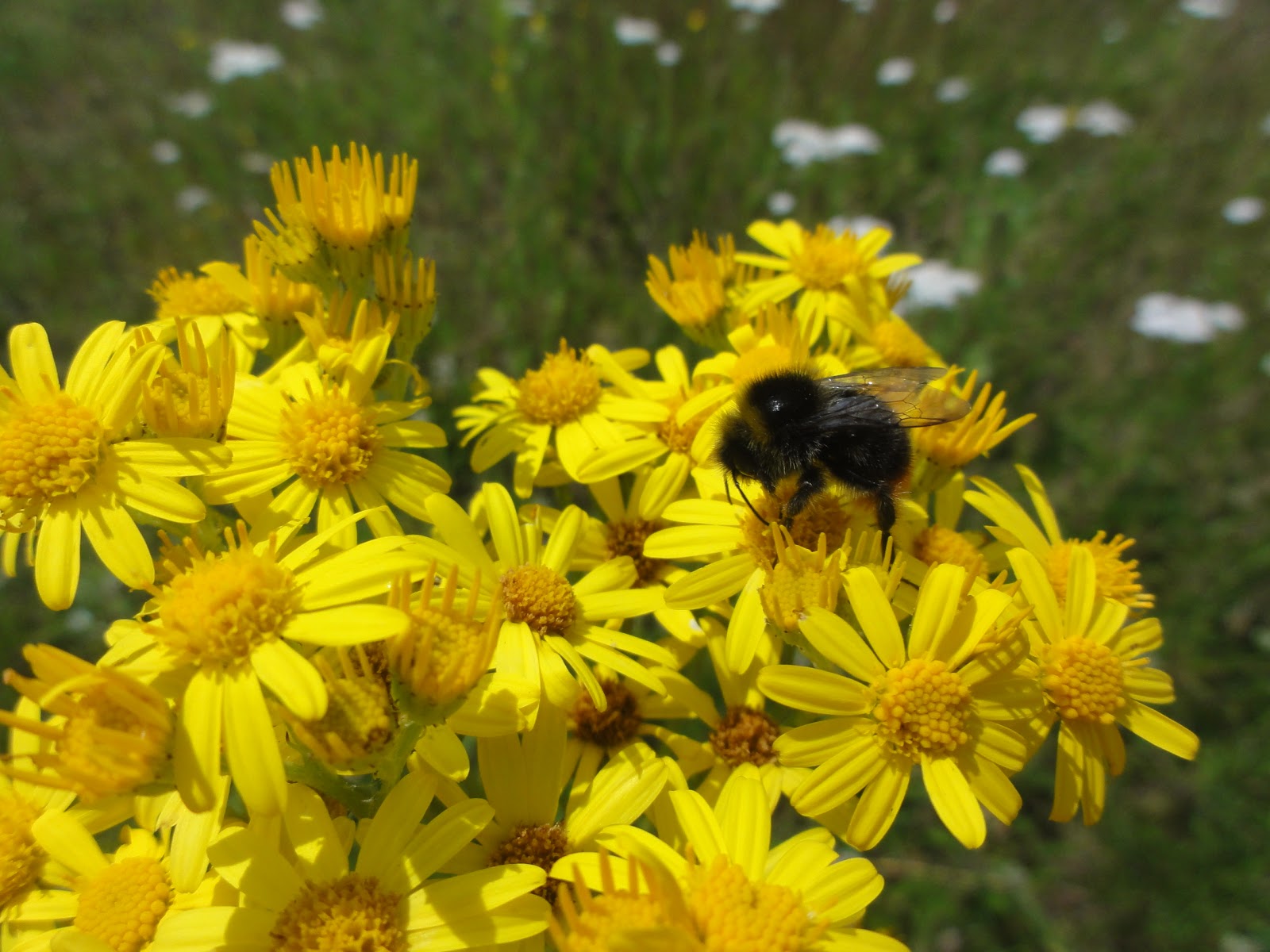
A couple of months ago several hundred square meters of campus were seeded with wildflower and many of the grass areas had their mowing schedules relaxed. This lunchtime I headed out with my camera to see how they were getting on.

A Butterfly rests in the shade next to the Shuttle

Section of the field at Avery Hill seeded with phacelia wildflowers

Looking across the area in the sports field that has had the mowing schedule relaxed

Greater willowherb growing next to the Shuttle

A thistle grows in the long grass looking towards the Southwood Site

A bumble bee on the hunt for pollen

Two bees working away at our wildflower patches next to Fry Building

A bumblebee searching for nectar in a lavender bush

Thursday, 7 July 2011

Meet Camilla our Beekeeper

Camilla Goddard and the Greenwich bees - Photo: Courtesy of Ben Mostyn & Anya Rice at Superimpose Magazine
If you head accross to Superimpose Magazine at superimposemag.com you will see a wonderful set of photos of the Greenwich bees and out resident beekeeper Camilla Goddard. There is a short interview with Camilla where she describes how she became a beekeper and plots out her day to day activities during the summer months. You can also see Camilla in action by watching the short video embedded below.


Capital Bee from Superimpose Magazine on Vimeo.